
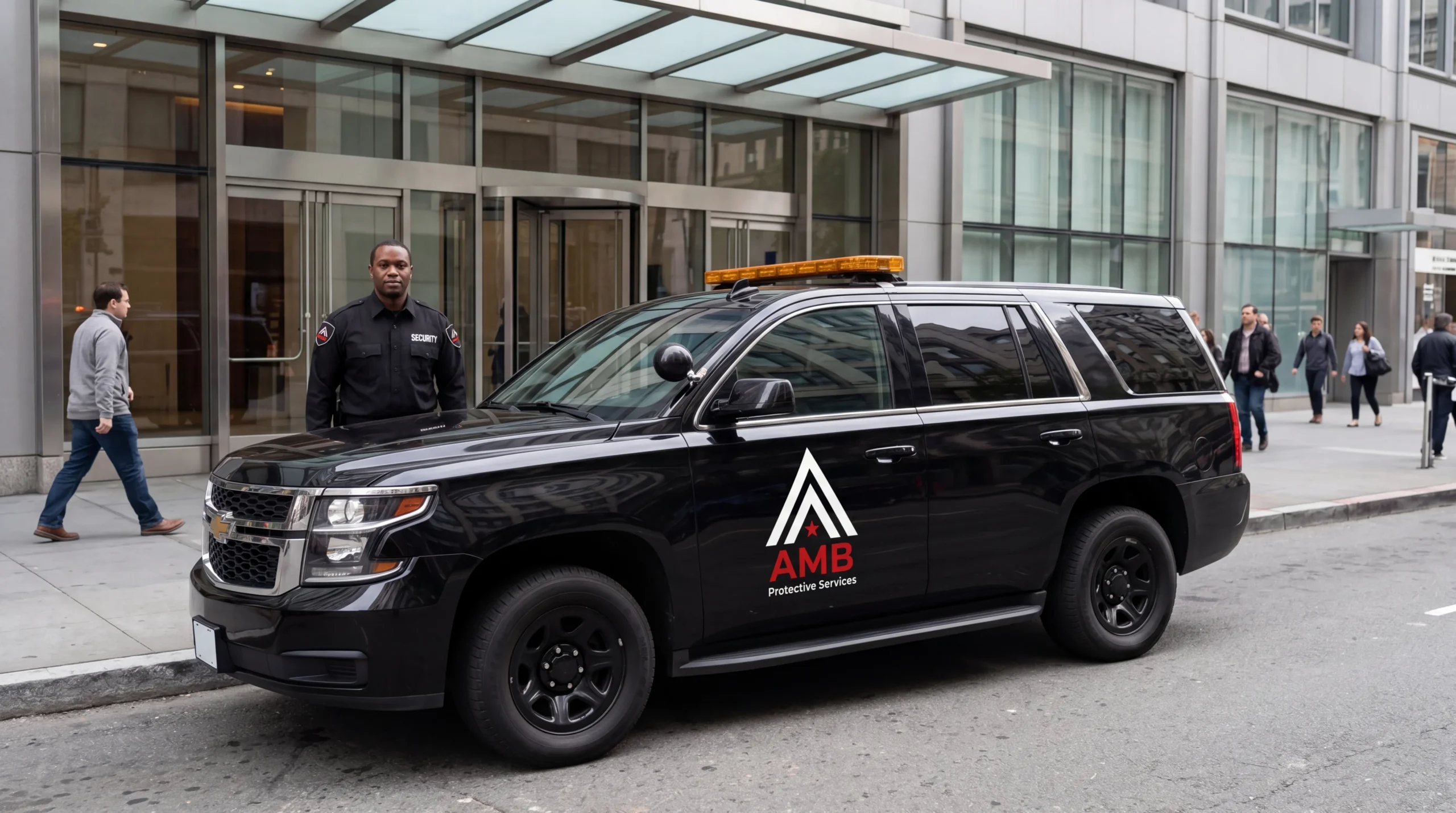
The armed-vs-unarmed question is the most over-asked and under-analyzed question in SF security buying. The honest answer for 80% of buildings is unarmed. The remaining 20% genuinely need armed — and the differentiator is risk profile, not preference.
What Actually Changes With Armed
Armed officers in California carry:
- A BSIS Firearm Permit (separate from the Guard Card)
- 14 hours of initial training + 4 hours requalification annually
- Liability that flows to your property in any use-of-force incident
- A premium pay rate (typically $42–$62/hr vs $30–$44/hr unarmed)
The training requirements matter less than the insurance and liability exposure. Your GL carrier will charge a use-of-force endorsement, and your own attorney should review the contract.
When Unarmed is the Right Call
Unarmed officers handle:
- Vacant property patrol
- Construction site security
- Retail loss prevention (de-escalation, documentation)
- Standard hotel and hospitality coverage
- Mobile patrol across mixed portfolios
- Event security for under-1,500-attendee events
For these, an armed presence usually increases liability without proportionally increasing safety. Most physical-altercation losses on SF properties happen between civilians, not between officers and intruders.
When Armed Is Actually Required
The risk profiles that genuinely call for armed coverage:
- High-cash retail — jewelry, electronics, cannabis dispensaries
- Banking and ATM service — by lender requirement
- High-net-worth residential with documented threat
- Executive protection details for specific principals
- Defense-industrial / cleared facilities — by federal contract
- Properties with active credible threats — restraining orders, witnessed harassment, prior assaults
If your property doesn’t fit one of these categories, you’re paying premium rates for a liability profile you don’t need.
The Cost Difference
| Coverage type | Unarmed monthly | Armed monthly | Premium |
|---|---|---|---|
| Single 8-hr post, weekdays | $5,200 | $7,600 | +46% |
| 24/7 single post | $19,800 | $28,400 | +43% |
| Mobile patrol (no upgrade available) | $1,400–$4,400 | n/a | — |
Plus the GL endorsement, plus the attorney review, plus the use-of-force training overhead.
The Hybrid Approach
For properties on the edge — say, a cannabis dispensary that wants armed during open hours but doesn’t need it overnight — AMB offers:
- Armed during cash-handling and customer hours
- Unarmed for after-hours patrol and lock-up
- Verified alarm response (armed dispatch only if criteria met)
Most buyers who think they want full armed coverage land here once we walk through the actual exposure.
What to Decide Before Signing
- Does your insurance carrier require or surcharge for armed officers?
- Is there a documented, specific threat — or are you buying against a general feeling?
- What’s your attorney’s read on use-of-force exposure in your jurisdiction?
- Would the armed presence change your tenants’ / guests’ / customers’ experience?
The right answer is whichever one your actual risk profile points to.
Talk to AMB about your specific property →
Related Reading from AMB
- Construction Site Security in San Francisco: A Practical Guide — San Francisco construction sites lose an average of $11,000 per incident to theft and vandalism. This guide walks throug…
- The True Cost of a Vacant-Property Break-In in San Francisco — A single break-in on a vacant SF building runs $18,000–$47,000 fully loaded — repairs, premium impact, legal, and lost l…
- SFFD Fire Watch Compliance: What Property Managers Must Know — A failed sprinkler test or alarm system impairment can trigger an SFFD fire watch within hours. Here’s when it kicks in,…
This article is part of AMB’s coverage of San Francisco security guard services. See the full service page for pricing, coverage areas, and how to request a quote.
Frequently Asked Questions
Does AMB provide both armed and unarmed officers?
Yes — all AMB armed officers carry current BSIS Firearm Permits with annual requalification. Most contracts use unarmed officers; armed is available for risk profiles that require it.
Will armed security raise my insurance premium?
Typically yes — California GL carriers add a 5–15% premium for armed security on a property, and may require a use-of-force endorsement. AMB will help you assemble the documentation your carrier needs.
Can I switch from armed to unarmed mid-contract?
Yes — AMB contracts allow scope adjustment with 30 days notice. Many clients start armed and downgrade once they see the actual incident profile of their property.